The Story Behind the Media Rate
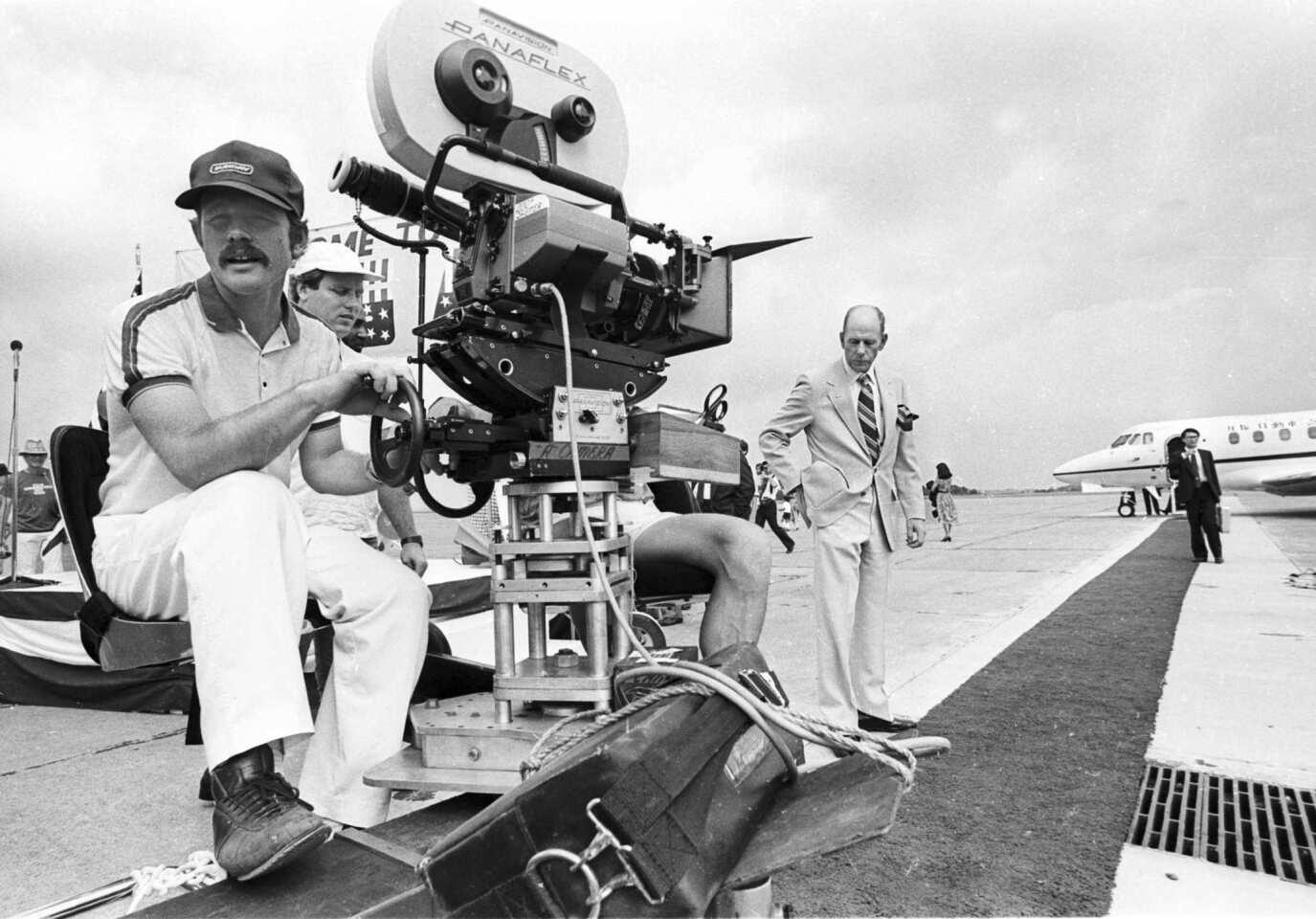
Long before digital cameras, laptops, and compact production kits, traveling with a film or television crew meant traveling with a lot of equipment.
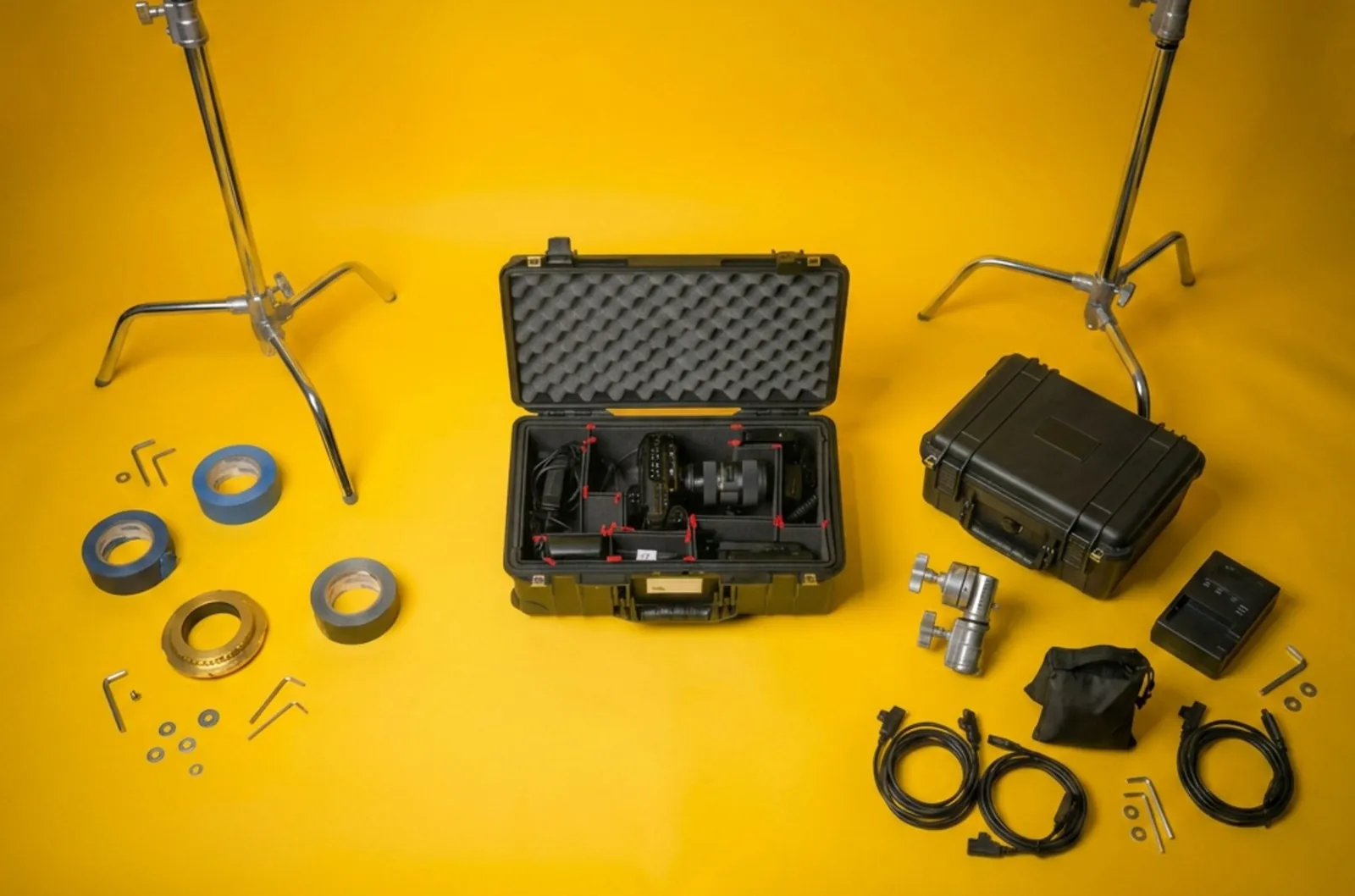
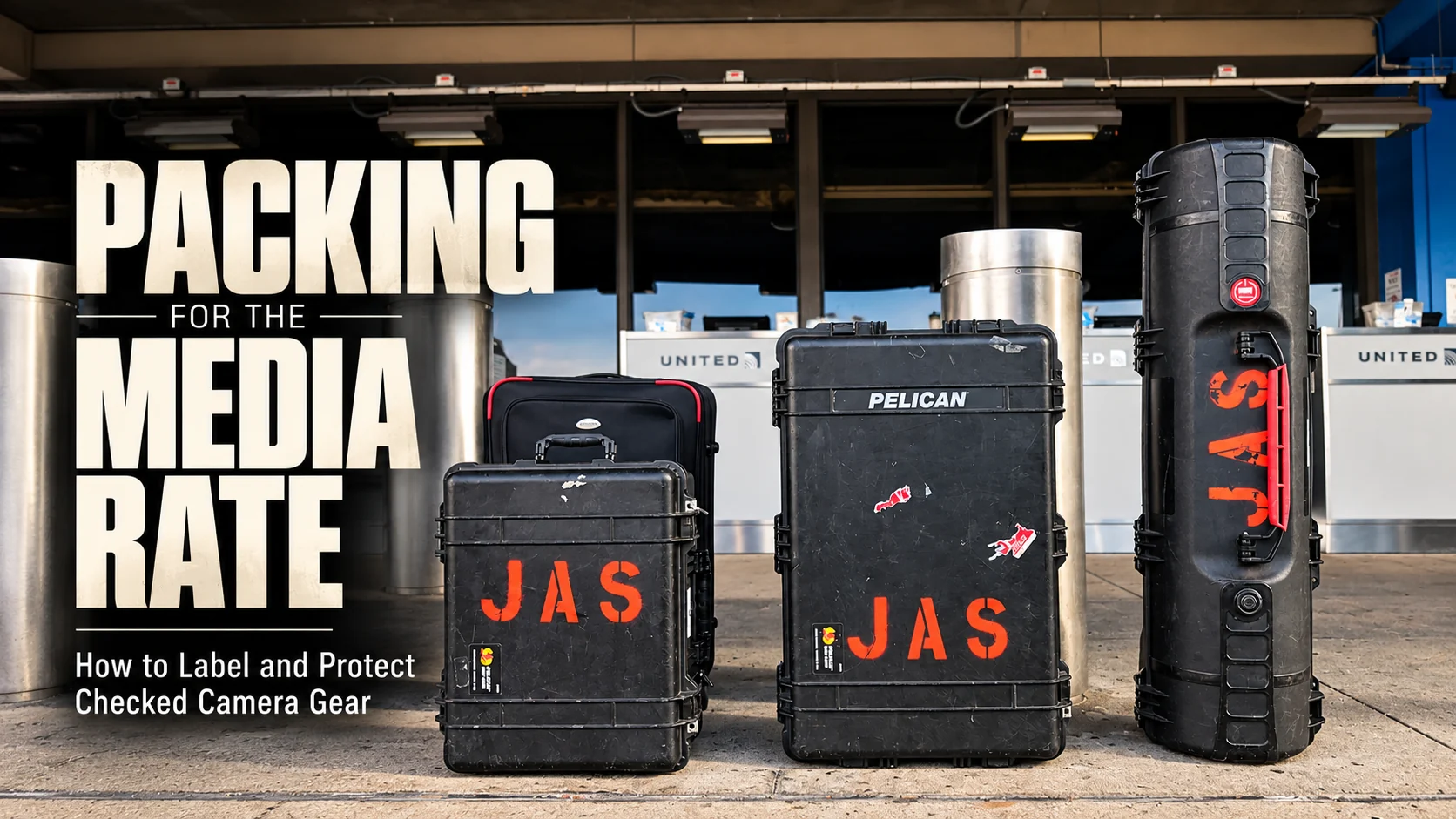
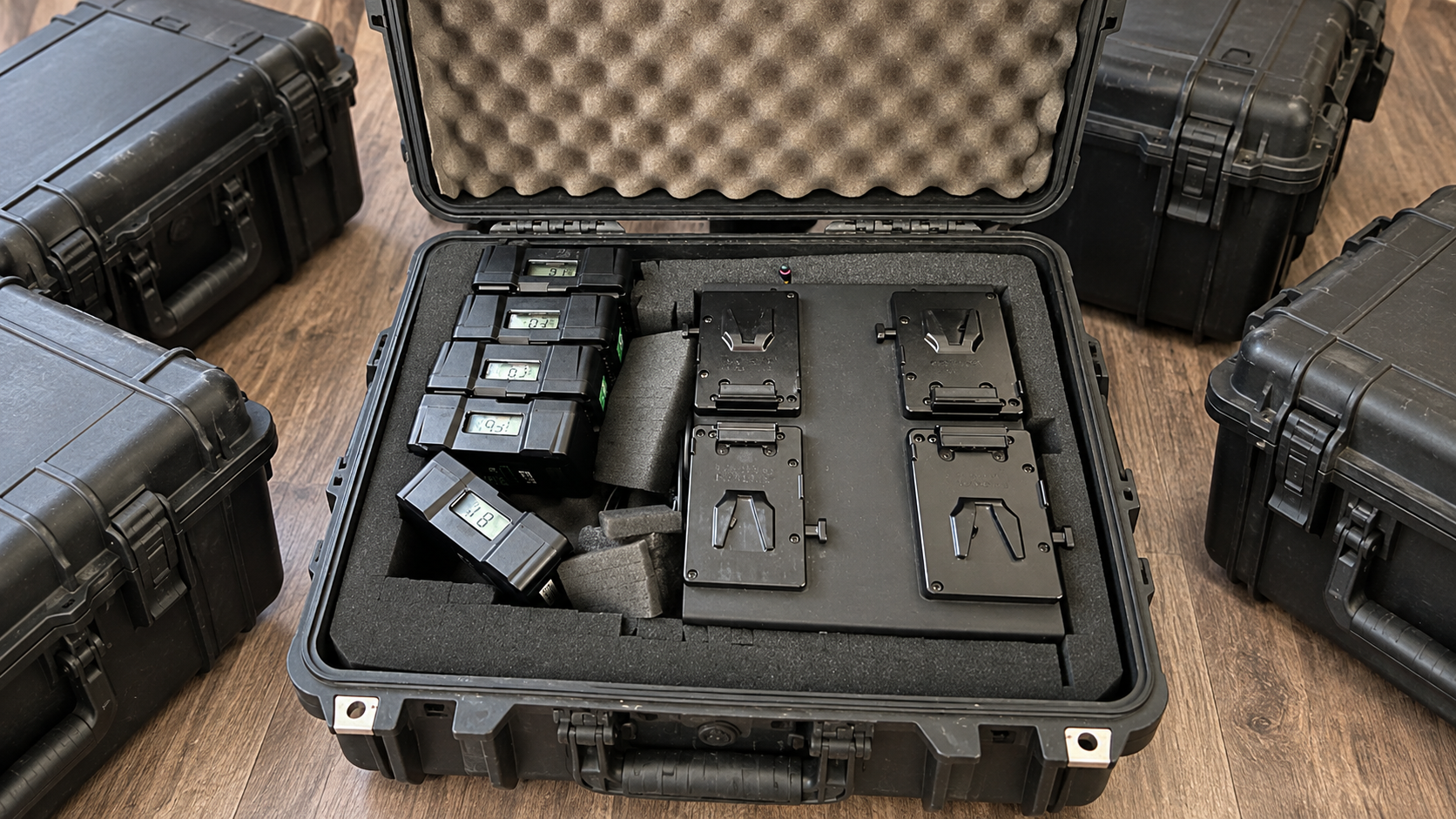
Cameras were large. Lighting was heavy. Sound equipment traveled in separate cases. A working television or film crew could arrive at an airport with case after case of specialized gear—and under ordinary baggage rules, the cost of moving that equipment could quickly become enormous.
Airlines recognized that media crews weren't ordinary passengers carrying extra luggage. Their equipment was essential to their work.
So a different kind of baggage policy began to emerge.
The Media Rate
Airlines began offering special baggage accommodations for television broadcasters and commercial film crews traveling with professional equipment.
Instead of charging standard excess, oversized, and overweight baggage fees on every case, qualifying crews could receive special flat or reduced rates. Some airline policies also allowed significantly more checked pieces and waived certain oversized or overweight charges.
Within the production industry, these programs became commonly known as media rates.
But they created another question at the airport:
Who actually qualifies?
Airline agents needed a practical way to distinguish a working production crew from an ordinary passenger traveling with a large amount of luggage.
That's where media credentials and proof of professional affiliation became important.
Depending on the airline, travelers could be asked to present company identification, media credentials, a business card, or other documentation demonstrating that they were traveling on behalf of a legitimate media or production organization.
The credential wasn't what created the media rate.
It helped establish the professional affiliation behind it.
From Broadcast Crews to Modern Production
The exact airline and year responsible for introducing the first media baggage rate have been difficult to establish from surviving public records. The practice predates the modern internet, and many early airline tariffs and internal baggage policies were never preserved online.
Gear Toolkit
Plan your gear once. Pack any trip in minutes.
Plan your gear once. Pack any trip in minutes. Free during beta, no account needed to try.
Try the Toolkit freeWhat we do know is that special treatment for professional media equipment has existed for decades.
And while the policy survived, the people using it changed.
The traditional television crew traveling with enormous broadcast cameras gradually became part of a much larger production world.
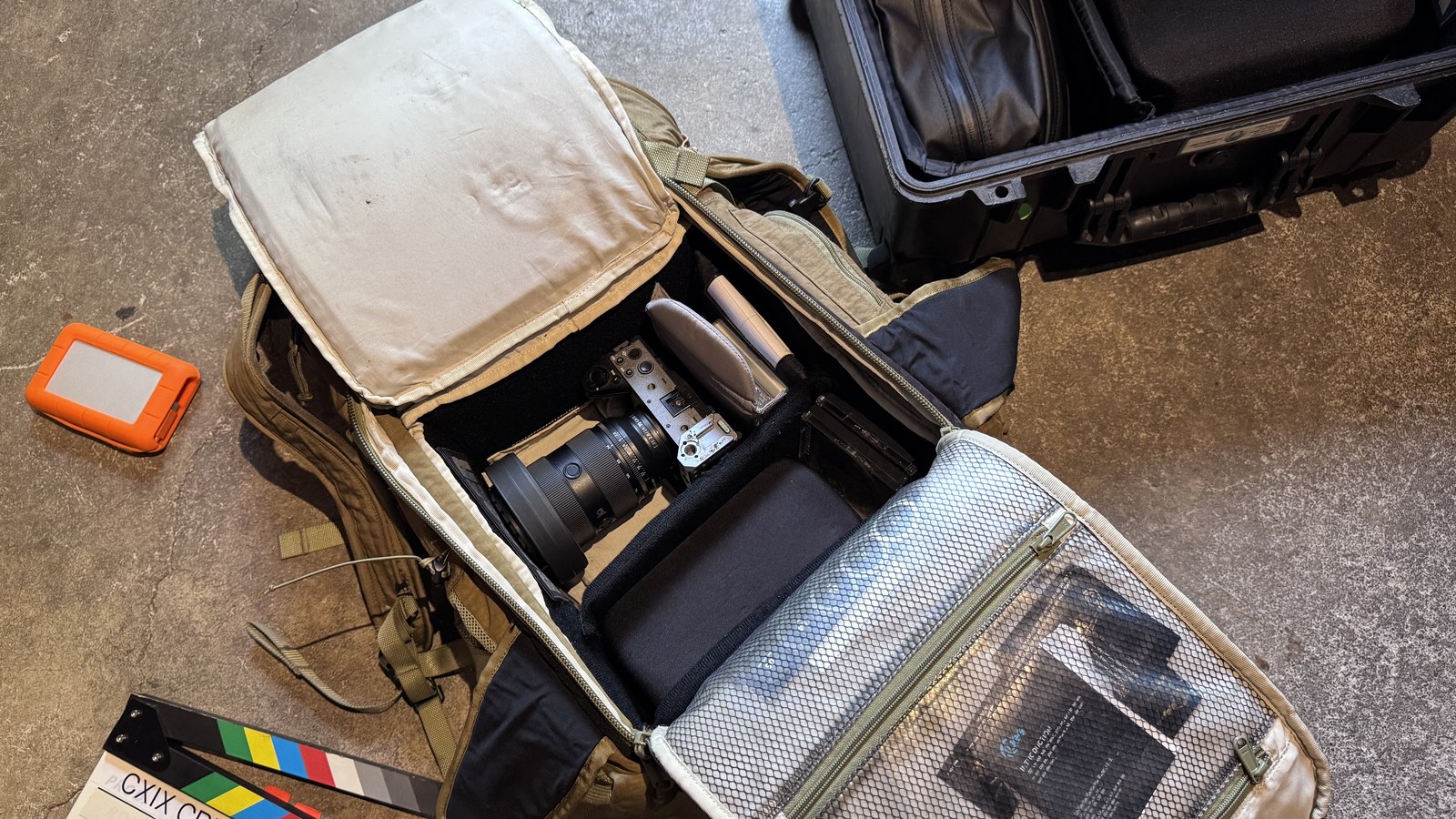
Today, professional equipment travels with documentary filmmakers, cinematographers, photographers, production companies, event crews, independent producers, digital media teams, and countless other professionals whose businesses didn't exist when these policies were originally created.
The cameras became smaller.
The crews became more independent.
The media industry became global.
But professional crews still walk into airports carrying thousands—or tens of thousands—of dollars in cameras, lenses, lighting, audio equipment, and production gear.
And several airlines still recognize that those travelers are different from passengers simply checking another suitcase.
Where Fly With Media Fits In
That's the environment that led to Fly With Media.
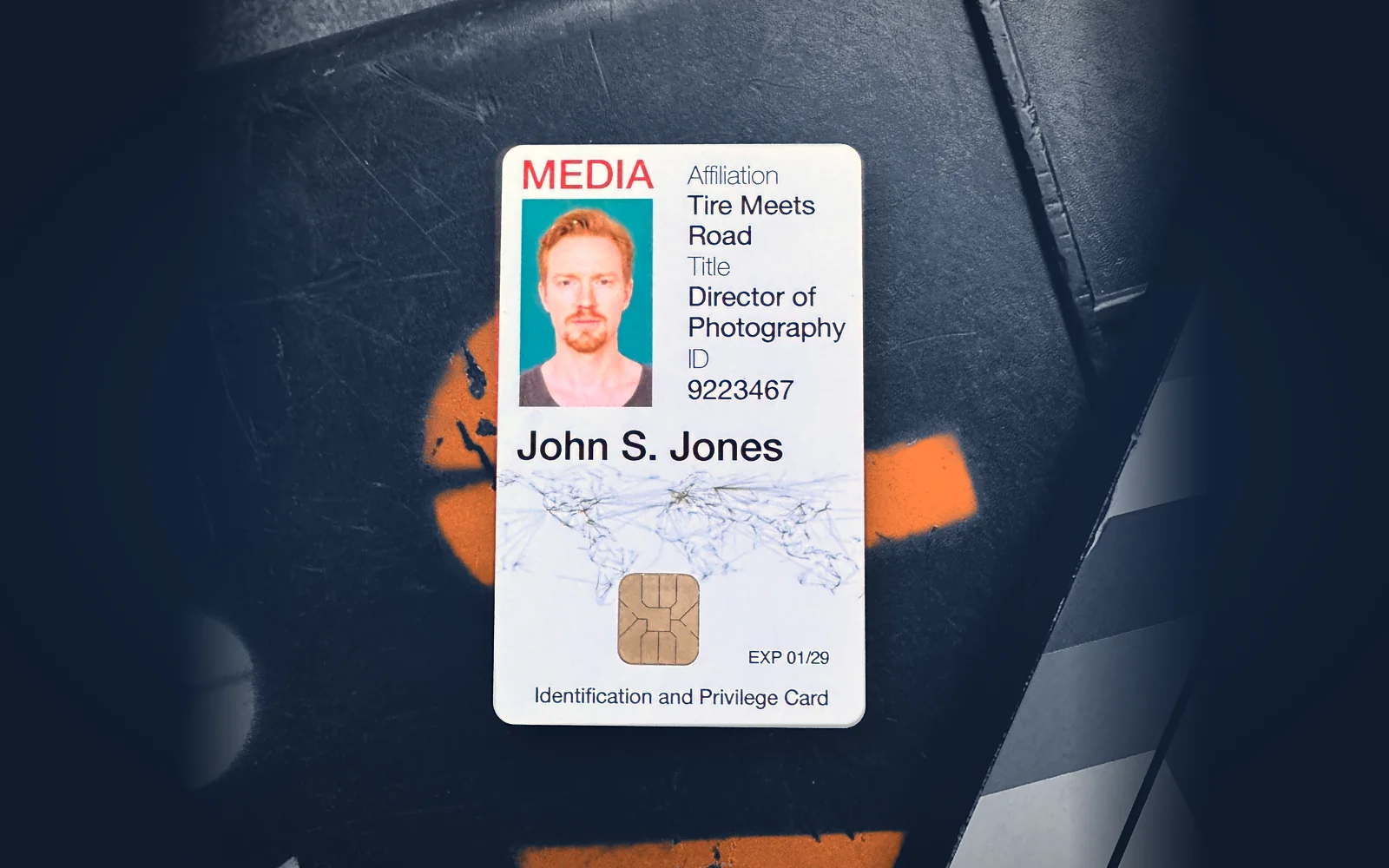
Fly With Media was created to give today's traveling media and production professionals a clear, professional way to identify their industry affiliation while also making airline media-baggage information easier to understand.
A Fly With Media ID does not guarantee an airline media rate. Airlines establish their own eligibility requirements, documentation standards, baggage limits, and fees, and the airline ultimately determines whether a traveler qualifies.
What it does provide is something remarkably similar to what production crews have needed for decades:
A clear way to identify yourself as part of the professional media and production industry.
From television crews hauling enormous broadcast cameras through airports decades ago to today's filmmakers traveling with digital cinema cameras in compact cases, nearly everything about production has changed.
The equipment changed.
The industry changed.
The way we create media changed.
The reason for the media rate didn't.
Media ID card
Traveling with gear? Carry proof you're a working media professional.
The Fly With Media ID card: $119 for two cards, logo included, valid four years, plus 60 days of Toolkit Pro when the beta ends.
Get your ID card